Ship to 129+ countries Help EN · ES USD Sellers click here LiquidateNow
HomeResourcesCustomer Returns Buying Guide
Buyer guide

Customer Returns Buying Guide

Customer Returns can offer significant resale opportunities, but they require more work, experience and flexibility than New Overstocks, Master Case merchandise or Shelf Pulls.

This guide explains what Customer Returns are, what may be included in a pallet or load, what information buyers should review and how successful resellers process merchandise to recover its maximum potential value.

Mixed & variable condition Packaging may vary Parts may be missing Processing required
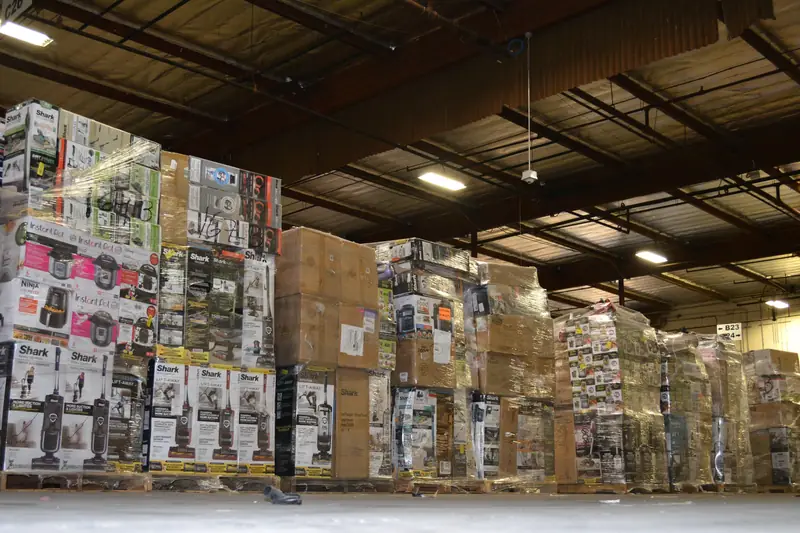
Customer Returns at a Glance

General ConditionMixed and variable
Previous OwnershipMerchandise may have been purchased and returned by a consumer
FunctionalityMay include working, non-working and untested products
PackagingMay be original, opened, damaged, missing or replaced
CompletenessParts, accessories or instructions may be missing
Buyer PreparationInspection, sorting, testing, cleaning, repair and repackaging may be required
Best Suited ForBuyers with the time, space, knowledge and resale channels to process mixed-condition merchandise

Customer Returns should not be purchased with the expectation that every item will be complete, working or immediately ready for resale.

Understand Customer Returns

What Are Customer Returns?

Customer Returns are products that were previously purchased by a consumer and then returned to a retail store or online retailer.

Consumers return merchandise for many different reasons. An item may have been unwanted, the wrong size or color, difficult to assemble, cosmetically damaged, incomplete or defective. In other cases, the customer may have simply changed their mind.

Retailers have different return policies and processing procedures. Some returned products may be inspected or tested, while others may receive only a limited visual review before entering a liquidation program.

As a result, Customer Return pallets and loads can contain merchandise in a wide range of conditions.

Why Do Customers Return Products?

Products may be returned because:

  • The customer changed their mind
  • The product was the wrong size, color or model
  • The item did not meet the customer’s expectations
  • The customer had difficulty using or assembling it
  • The packaging was damaged
  • Parts, accessories or instructions were missing
  • The product had a cosmetic imperfection
  • One or more functions did not work correctly
  • The item was damaged during delivery
  • The customer ordered multiple options and returned the unwanted products
  • The retailer accepted the return as part of its customer-service policy

A returned product is not automatically defective. However, buyers should never assume that a returned product is complete, functional or unused unless the listing specifically states otherwise.

What Can Be Found in a Customer Return Load?

A Customer Return pallet or load may include:

  • New and apparently unused merchandise
  • Open-box products
  • Previously assembled or used products
  • Working products
  • Partially working products
  • Non-working or defective products
  • Products with cosmetic blemishes
  • Items with damaged or missing packaging
  • Products missing parts, accessories or instructions
  • Incomplete sets
  • Store displays or demonstration units
  • Merchandise with customer-return labels
  • Products with retail, clearance or inventory stickers
  • Discontinued or previous-season merchandise
  • Shelf Pulls or Overstocks included within the program

The exact mix can vary substantially between retailers, programs, product categories and individual loads.

Customer Returns Are Not a Standardized Grade

“Customer Returns” identifies the general source and condition category of the merchandise. It is not a standardized grade or guarantee.

Two Customer Return loads from different retailers may have very different characteristics. Even two loads from the same program may contain different products, packaging conditions and processing requirements.

Any specific working, tested, complete or salable percentage should apply only when it is expressly stated in the individual listing.

Buyers should not assume any specific percentage of:
Working merchandiseComplete productsRetail-ready itemsRepairable merchandiseSalable merchandiseScrap or parts-only products

Working Merchandise vs. Salable Merchandise

“Working” and “salable” do not always mean the same thing.

A product may not be complete or fully functional but may still have resale value. For example:

Experienced buyers evaluate the potential resale value of each item—not only whether it can be sold as a complete, full-price product.

An incomplete cookware set may be separated and sold by the piece.

A damaged appliance may contain valuable replacement parts.

Furniture with cosmetic damage may be repaired or sold at a discount.

An electronic device may work but require a replacement cable or remote.

A product with damaged packaging may be repackaged and sold as open-box.

A mixed set may be broken down into individual components.

What Work Should Buyers Expect?

Customer Returns normally require a structured processing operation. Depending on the merchandise, buyers may need to:

01

Receive and document the shipment

Photograph the pallet or load before and during unloading. Record visible freight damage and compare the shipment received with the available paperwork.

02

Sort the merchandise

Separate products by category, apparent condition, completeness and likely resale channel.

03

Inspect and test products

Determine whether products are working, partially working, defective or unable to be tested.

04

Check for missing components

Identify missing accessories, instructions, hardware, remotes, chargers, cables or other essential parts.

05

Clean and prepare products

Remove labels when appropriate, clean merchandise and improve presentation without misrepresenting its condition.

06

Repair or complete items when practical

Minor repairs or replacement components may increase the resale value of certain products.

07

Grade the merchandise

Create your own consistent internal grading system, such as New/Open Box, Working Used, Incomplete, Repairable, Parts-Only or Unsalable.

08

Match products to the correct resale channel

Different conditions may perform better through different marketplaces, stores, flea markets, auctions or local sales channels.

09

Dispose of unusable merchandise responsibly

Some items may need to be recycled, discarded or handled according to applicable product and environmental requirements.

Labor, supplies, replacement parts, storage, transportation and disposal costs should all be considered when evaluating a purchase.

Before You Buy

Review the Listing Carefully

Before purchasing Customer Returns, review all available listing information, including:

  • Retailer or merchandise source
  • Product category
  • General condition
  • Manifest status
  • Lot size and unit count
  • Original retail value, when provided
  • Available images
  • Packaging information
  • Testing or grading information
  • Location and shipping requirements
  • Listing-specific disclosures
  • Sales and return terms

If a listing includes photos, confirm whether they show the actual merchandise or are representative of the program.

Ask your Via Trading Account Manager about any material information you do not understand before completing your purchase.

Who Should Buy Customer Returns?

Customer Returns may be appropriate for buyers who:

  • Have time and labor available to process merchandise
  • Have space to unload, inspect, sort and store products
  • Understand the relevant product categories
  • Can test, clean, repair or repackage merchandise
  • Have access to replacement parts or repair resources
  • Sell through multiple resale channels
  • Can accurately describe product condition to their customers
  • Understand that results can vary from one purchase to another
  • Can recover value from incomplete, damaged or non-working products

Customer Returns are often better suited to flexible resellers than buyers who require identical, immediately retail-ready inventory.

Who Should Avoid Customer Returns?

Customer Returns may not be suitable for buyers who:

  • Require every item to be new and retail-ready
  • Cannot inspect or test merchandise
  • Do not have the space or labor to process a shipment
  • Cannot accommodate damaged, incomplete or non-working products
  • Depend on selling every item through one restrictive resale channel
  • Expect a guaranteed working or profit percentage
  • Are unable to repair, part out, recycle or dispose of unusable products
  • Need consistent quantities of identical merchandise

Buyers seeking merchandise that requires less processing should consider Master Case, New Overstock or Shelf Pull inventory.

How Buyers Recover More Value

Successful Customer Return buyers generally create value through processing, product knowledge and resale flexibility.

Common strategies include:

Cleaning and improving product presentation

Replacing inexpensive missing components

Completing sets using parts from other units

Separating incomplete sets into individual products

Repairing merchandise when economically practical

Selling products honestly as open-box or used

Offering damaged merchandise at an appropriate discount

Selling replacement parts and accessories separately

Creating bundles from compatible products

Using different resale channels for different conditions

Recycling or responsibly disposing of products with no resale value

The purchase price is only one part of the opportunity. The buyer’s ability to process and correctly market the merchandise can have a significant effect on the final outcome.

Questions to Ask Before Purchasing

Before buying Customer Returns, ask yourself:

If the answers are unclear, consider starting with a smaller purchase or choosing a lower-processing condition.

Important Buyer Expectations

Customer Returns involve risk and do not include a guaranteed profit, recovery rate or product outcome.

Buyers should understand:

Conditions can vary within every pallet or load.

Merchandise may be working, non-working, incomplete or previously used.

Original packaging, instructions and accessories may be missing.

Manufacturer warranties should not be assumed unless expressly stated.

Images may be representative unless identified as photos of the actual merchandise.

Manifests describe the expected inventory but do not automatically guarantee condition or functionality.

Merchandise is sold according to the individual listing description.

Unless otherwise stated, Customer Returns are sold AS-IS and are subject to Via Trading’s Sales and Return Policies.

Always review the complete listing and contact your Via Trading Account Manager with questions before purchasing.

Ready to Explore Customer Returns?

Browse available Customer Return pallets, loads and truckloads from leading retailers and merchandise programs.